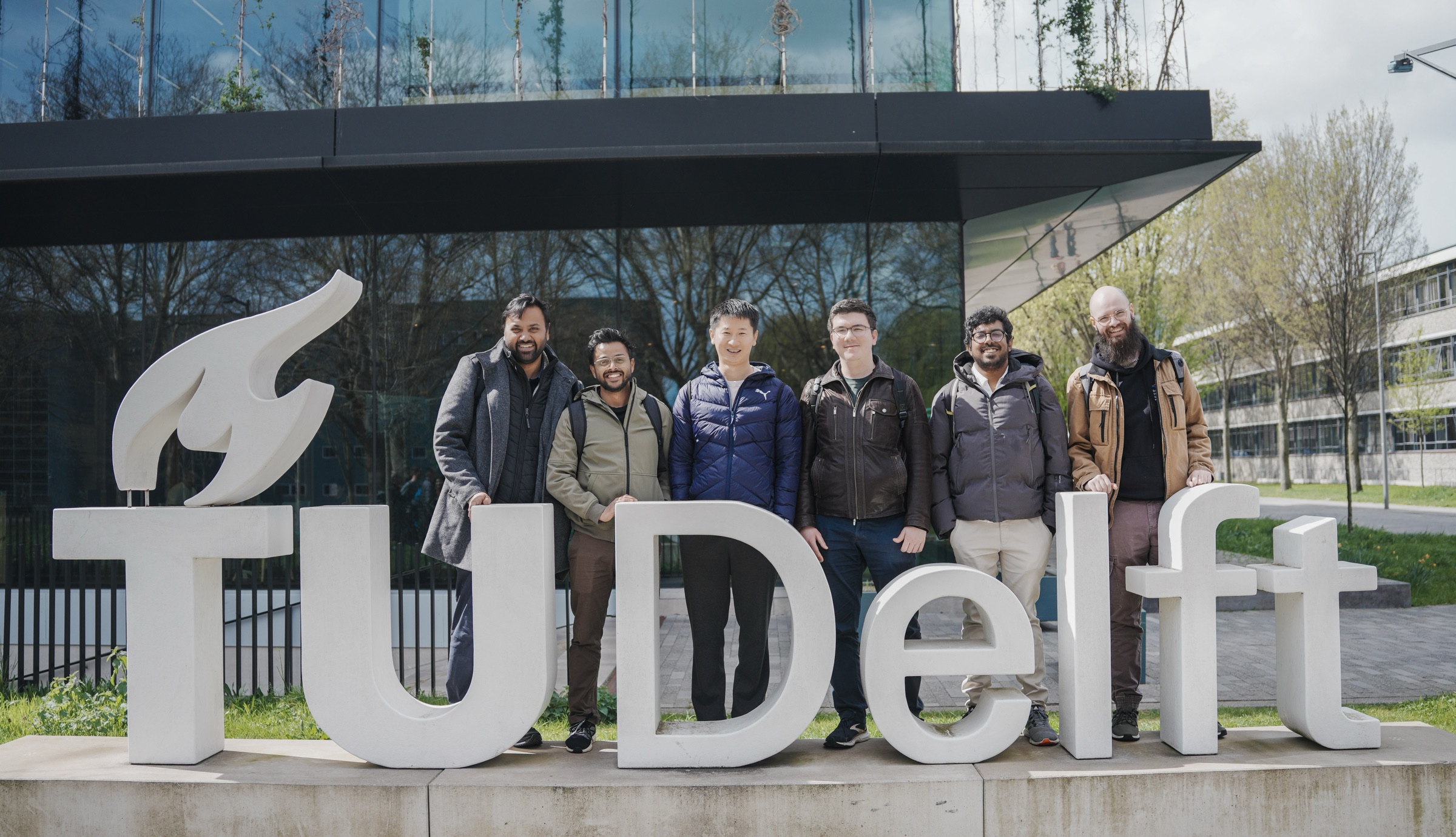
Welcome to SPEAR Lab
The SPEAR Lab (Systems and Protocols for Edge-Enabled Internet) at TU Delft conducts cutting-edge research in edge computing, next-generation network protocols, and Internet-wide measurements. We build practical systems and conduct measurements that shape the future of Internet infrastructure.
SPEAR Lab is associated with the Networked Systems Group at Software Technology department of the Faculty of Electrical Engineering Mathematics, and Computer Science (EEMCS) at TU Delft.
Highlights
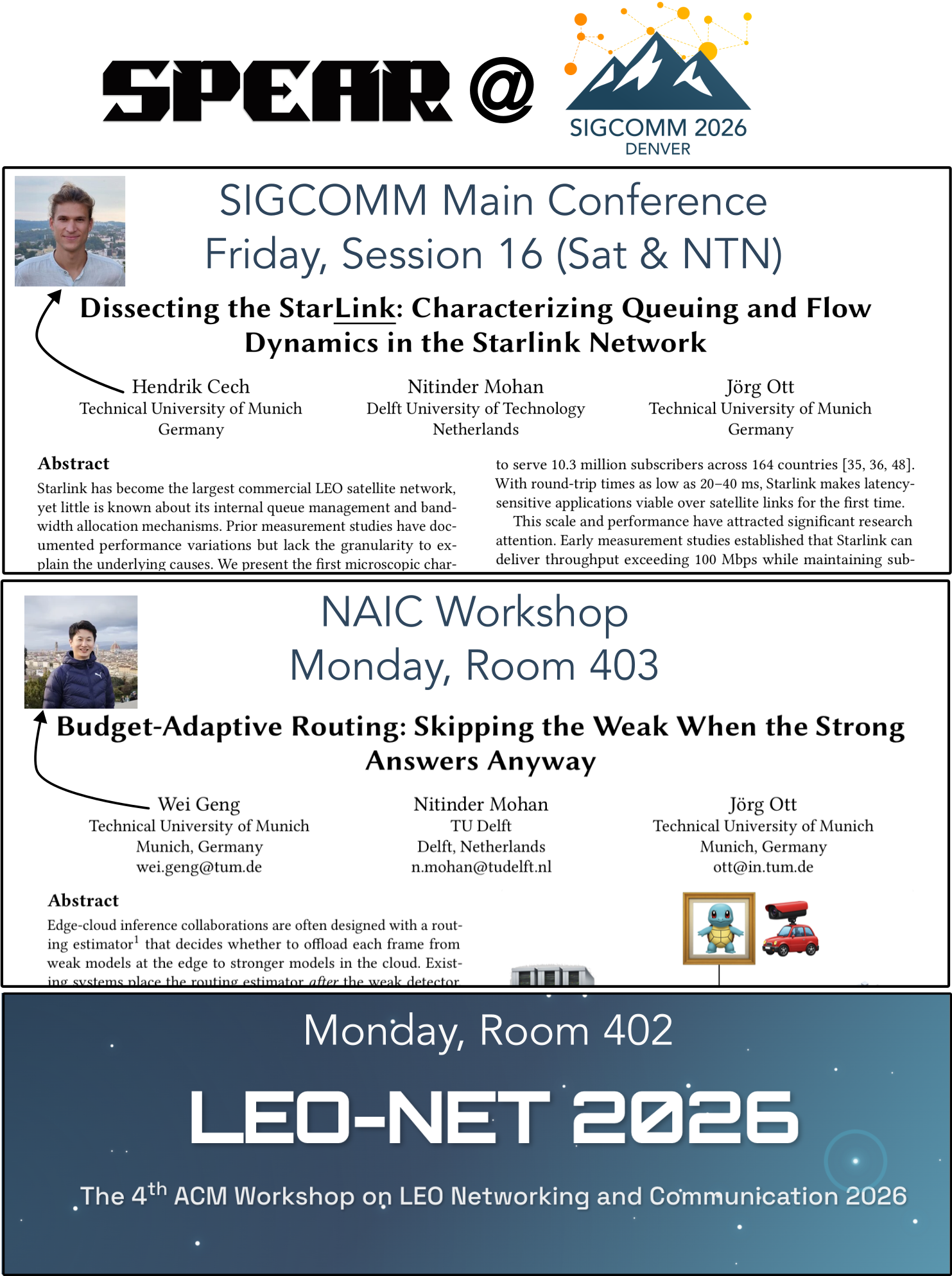

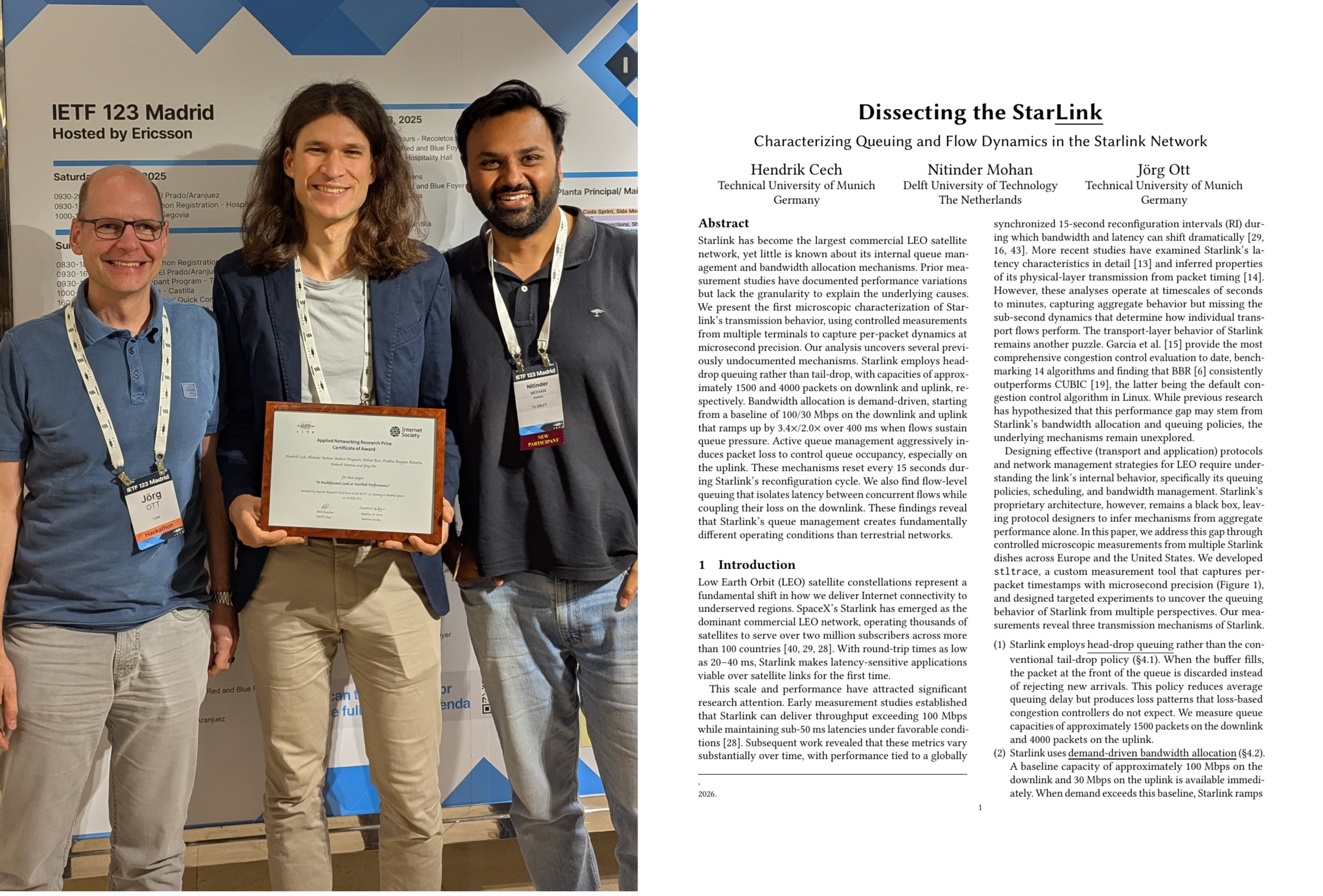
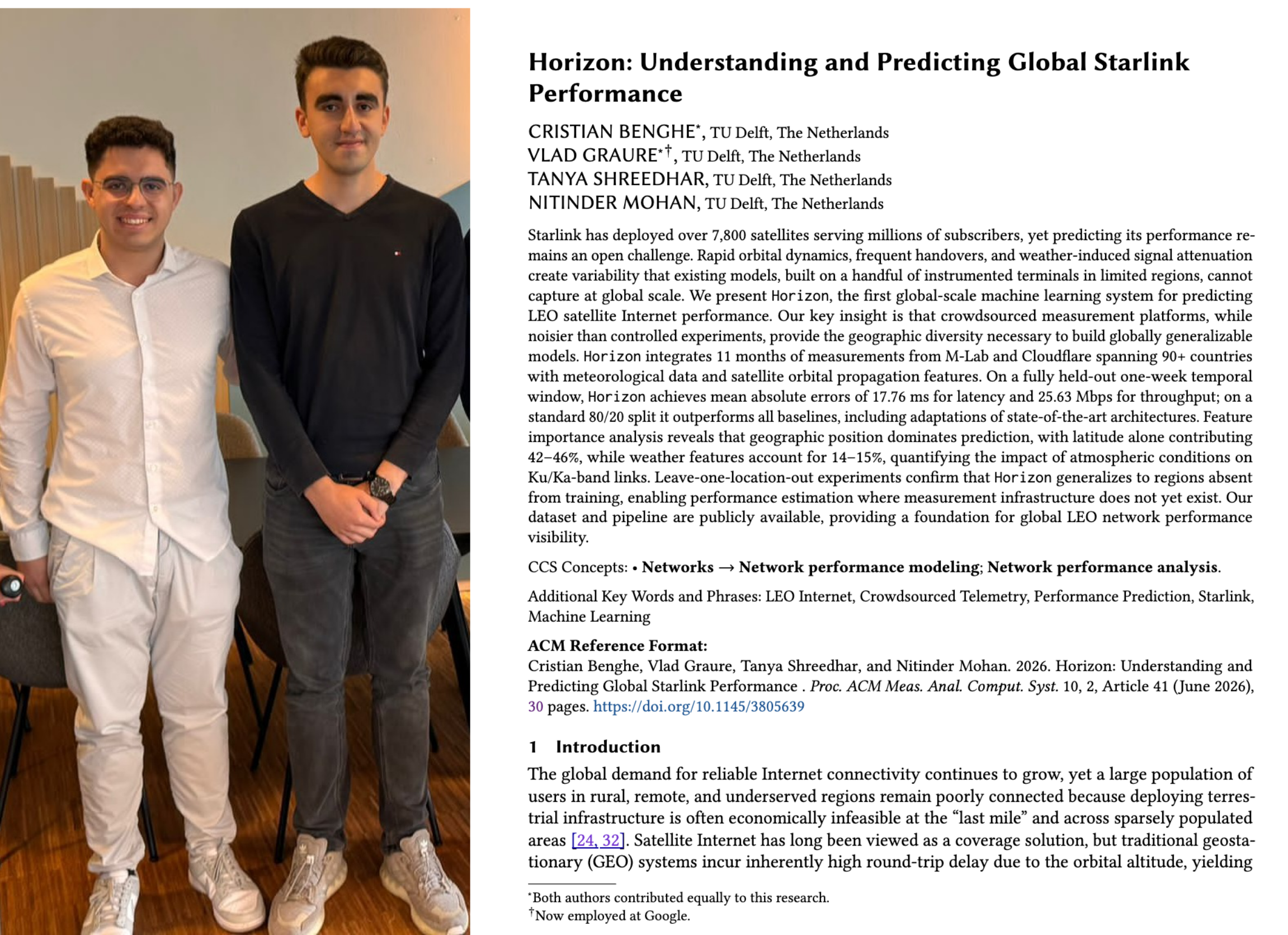

Research Areas
Learn more
Edge Computing
Physical deployment, specifications and effective utilization of compute resources at the network edge
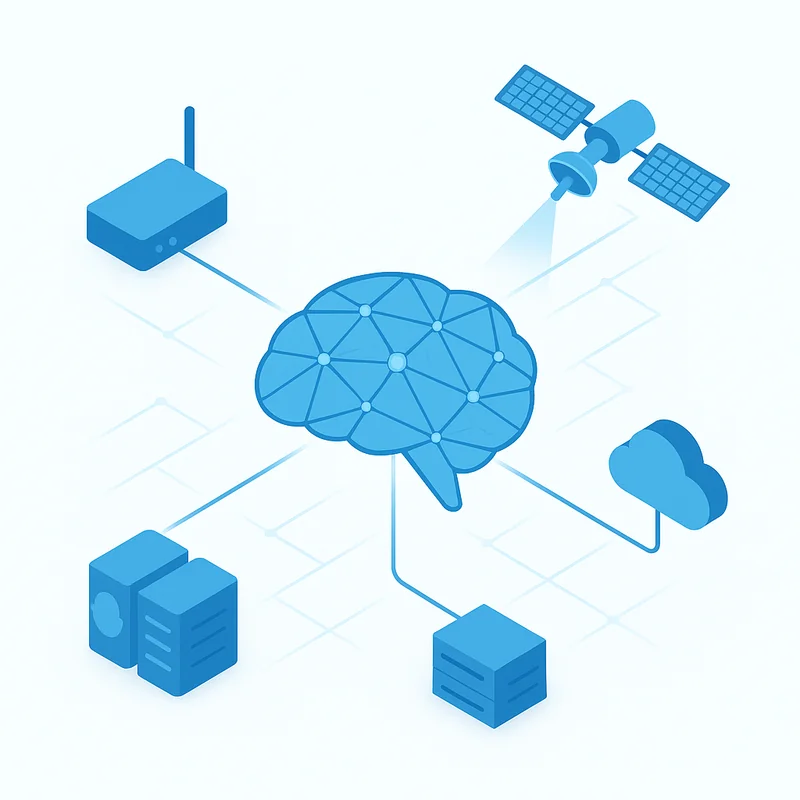
Next-Generation Network Protocols
Protocol design and optimization for emerging network environments including LEO satellites, multipath transport, and edge computing
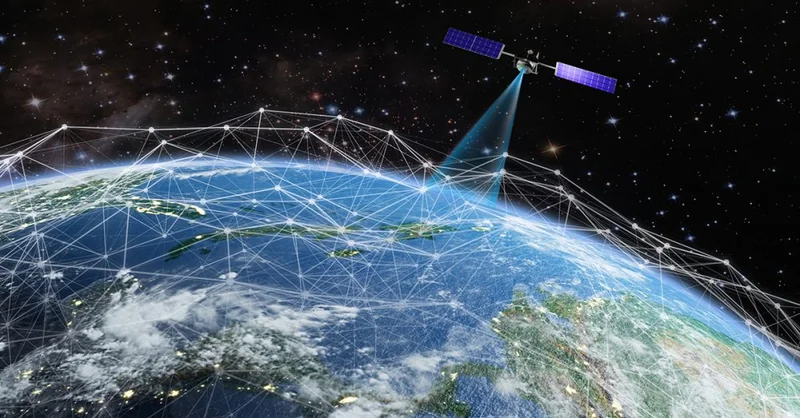
Satellite Networks
LEO satellite constellation measurement, characterization, and protocol optimization for global connectivity

Internet-Wide Measurements
Large-scale empirical analysis of Internet infrastructure, protocol behavior, and network performance
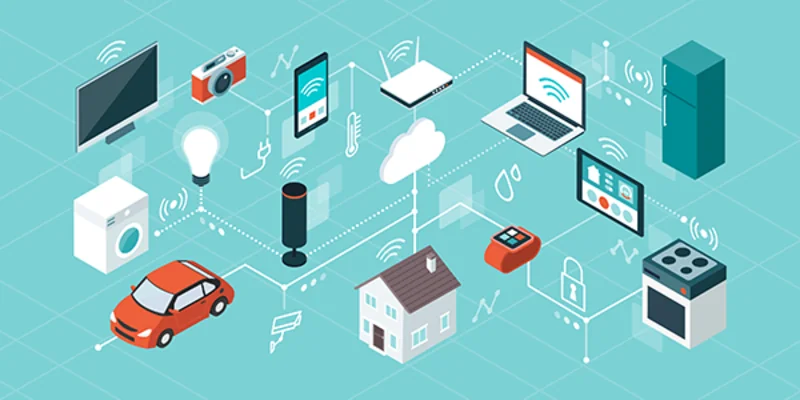
EdgeAI & ML Model Management
Systems challenges in deploying and managing machine learning workloads across heterogeneous edge infrastructure
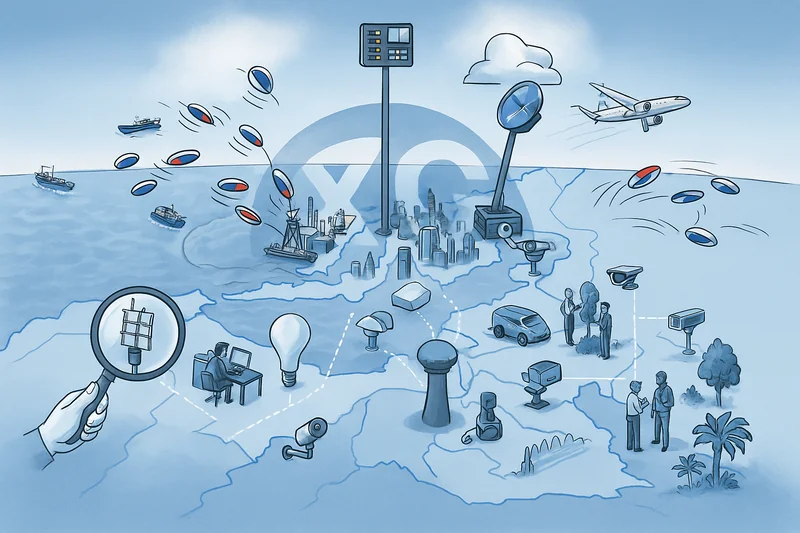
Latest News
View all

Join Our Team
We are always looking for motivated students and researchers to join our lab.
PhD Position: Secure Multi-Stakeholder 6G Orchestration
Deadline: November 1, 2026
6G services will not run on infrastructure you own. They will run across operators, cloud providers, and third parties who each have reasons not to trust the others — and something still has to decide where the workload goes. That is this PhD. How do you find a hardware root of trust and keep hold of it while a service migrates? How do you keep attesting a node that is already carrying live traffic? Where do you cut an AI workload when half of it lands on someone else's hardware? And once the orchestrator has made a call, can anyone check it afterwards? You will build it rather than simulate it — extending open-source orchestration platforms and running them on real 6G infrastructure. Four years, starting with 1.5 and a progress check at 15 months. Applications close 1 November 2026. Worth sending Nitinder Mohan a short note before you apply.
Are You a Student at TU Delft?
Check out our open thesis topics for Bachelor's and Master's students.
Designing and supporting “fluid computing”
Modern distributed computing environments require applications to dynamically adapt to varying resource availability, network conditions, and computational demands. Traditional static deployment...

Efficient AI pipeline management in distributed edge infrastructures
The deployment of artificial intelligence workloads at the edge has become critical for applications requiring low latency, privacy preservation, and bandwidth optimization. Modern AI applications...
LEOSCOPE satellite testbed
Low Earth Orbit (LEO) satellite networks like Starlink, OneWeb, and Amazon Kuiper are transforming global Internet connectivity by providing high-speed, low-latency access to previously underserved...